





 ACCOUNT



What is the skin microbiome and why is it worth caring for its balance?
Contents
- What actually is the microbiome?
- What upsets the balance of the microbiome?
- How to rebuild the skin microbiome?
- How to maintain a healthy skin microbiome?
- Which ingredients support our microbiome?
- The right routine = support in keeping the skin microbiome in balance
- Summary - a healthy microbiome is the key to a healthy complexion
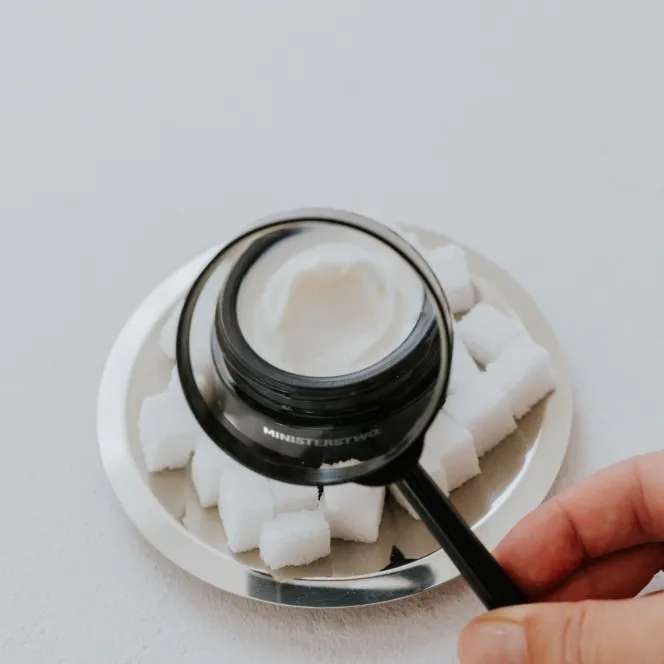
Many factors influence the condition of our skin microbiome. Its balance can be upset by things such as environmental pollution, UV radiation, ageing and much more. The result? Skin that is more prone to irritation, itching and inflammation.
So how can we look after our skin properly without damaging the precious microbiome along the way? What actually is the skin microbiome and what upsets its balance? Can the microbiome be rebuilt, and if so, how? Which ingredients are worth paying attention to, and what should a proper routine supporting our skin's microbiome look like? We will try to clear up any doubts and answer your questions about the skin microbiome. Do read on!
What actually is the microbiome?
The microbiome is all the microorganisms (bacteria, viruses, fungi) that live in our skin or on its surface, together with their genetic material. Microorganisms feed on the resources found on our skin: corneocytes (dead skin cells), sebum and even the components of our sweat. The composition of our microbiome takes shape as early as birth. Interestingly, each of us has our own, unique microbiome composition - there are no two people in the world with an identical microbiome! Our skin microbiome is healthy when the microorganisms mentioned above live and cooperate in harmony. If their balance is disrupted, what is known as dysbiosis occurs, which makes our skin more susceptible to diseases and skin problems. Beneficial microbes protect our skin from pathogens, contribute to its proper hydration, strengthen the skin barrier and lower TEWL (Transepidermal Water Loss). So it is worth remembering that a healthy microbiome has a real influence on the healthy look of our skin.
Our skin microbiome performs many functions that allow us to keep a healthy and radiant complexion. Its most important functions include:
- protecting the skin from pathogens,
- maintaining proper hydration and pH of the skin,
- strengthening the skin's protective barrier,
- supporting skin regeneration,
- lowering TEWL - transepidermal water loss.
The skin microbiome is therefore responsible for the fundamental factors that determine the healthy look of our complexion. That is why caring for the balance of the microbiome and for its diversity is so important. A diverse microbiome favours healthier, better nourished and younger-looking skin. Thanks to that you can enjoy beautiful, healthy skin - the microbiome will take care of the rest :)
What upsets the balance of the microbiome?
When can we say that the skin microbiome is healthy? When the microorganisms live and cooperate in harmony. If the natural microbiological balance is upset, what is known as dysbiosis develops, and it is directly connected with the health of our skin.
A great many factors influence the preservation of a healthy microbiome. Some of them concern the proper care of our skin, but a great deal also depends on our everyday habits. Let us take a closer look at some examples of factors that upset the balance of our skin microbiome:
- environmental pollution,
- UV radiation,
- skin ageing,
- excessive (or incorrect) cleansing of the skin,
- an unsuitable diet (poor in nutrients and healthy EFA fats),
- insufficient hydration of the body,
- chronic stress,
- hormonal disorders,
- everyday habits (for example not enough sleep).
Our daily choices have an enormous influence on how our skin looks. A disrupted microbiome balance will show up as skin problems such as irritation, a feeling of itching, dry skin, inflammation and skin redness.
How to rebuild the skin microbiome?
What should you do if the balance of your microbiome has been upset? How can you support your skin? It is important to act both from the outside and from the inside. Here is what is worth paying attention to in order to restore a healthy microbiome to your skin:
- gentle cleansing of the skin,
- a routine that supports the microbiome,
- a healthy, varied diet,
- proper hydration of the body,
- using sun protection.
So it is worth taking a look at your current care routine and assessing whether you should not eliminate a few harmful or completely unnecessary habits. Avoid exfoliating the skin too often and using products with aggressive ingredients (such as alcohol or drying cleansing agents). That way you will protect your skin from excessive drying out and from damage to its natural protective barrier.
How to maintain a healthy skin microbiome?
You already know what upsets the balance of the microbiome and how you can work on rebuilding it - one question remains: how to maintain a healthy skin microbiome? Remember the rules below in order to enjoy healthy and radiant skin every day:
- look after the proper hydration level of your skin,
- avoid drying the skin out excessively or exfoliating dead skin cells too often (remember that they are food for our microbiota),
- try to lead a healthy lifestyle (take care of a varied diet, hydration and enough sleep),
- protect the skin from UV radiation - use creams with a high sun protection factor all year round,
- protect the skin from external factors - wind, frost, dry air,
- use a routine that supports the skin microbiome,
- avoid aggressive ingredients in your routine (such as alcohol, SLS and strong acids in excessive concentrations).
Which ingredients support our microbiome?
The right cosmetics will help you maintain proper skin hydration while also caring for your microbiome - the skin's natural protective barrier. You do not need many of them - it is enough to pay attention to a few valuable ingredients that will make your routine simple and enjoyable.
Ingredients that have a beneficial effect on the microbiome:
- Squalane from sugar cane - nourishes, restores smoothness, elasticity and the right level of hydration to the skin, soothes, calms, brightens and adds radiance, regulates sebum production, supports the health of the microbiome and contributes to its diversity.
- Niacinamide - strengthens the skin's protective functions, moisturises, soothes irritation, has antioxidant properties (prevents premature skin ageing), stimulates the production of lipids, collagen and elastin.
- Hyaluronic acid - moisturises (immediately and long term) and forms a film on the skin's surface protecting against TEWL.
- Inulin - moisturises, smooths and improves the appearance of the skin.
- A complex of sugars: fructose, glucose, inositol, sucrose, trehalose - nourish and protect cells from dehydration.
- Bacillus bacteria ferment - strengthens the skin barrier, increases hydration and lowers TEWL, regenerates, soothes redness, increases the firmness and elasticity of the skin.
When choosing cosmetics for your daily care routine, it is worth using the list of ingredients above - they will help maintain proper skin hydration, strengthen the skin's protective barrier, reduce TEWL and support the skin in the process of regeneration. Which, as you already know, has a positive effect on the balance and diversity of the microbiome.
The right routine = support in keeping the skin microbiome in balance
A routine matched to the needs of our skin is the key to microbiome balance. Avoiding excessive drying out of the skin, toning, moisturising and gentle exfoliation of dead skin cells (1-2 times a week) will help you support the skin's natural protective barrier. A conscious routine does not have to be difficult or complicated - get to know four simple steps that will support your microbiome :)
Step I: Gentle cleansing of the skin
Daily, gentle cleansing of the skin is definitely the basis of a proper routine! You cannot overdo it in either direction here. Remember that cleansing should be gentle, so as not to disturb the delicate hydrolipid barrier, but also effective, so that unwanted impurities do not stay on the skin, because they can block the absorption of valuable ingredients in the next stages of care. Both overly harsh and incomplete facial cleansing upsets the balance of the microbiome, which in turn exposes the skin to dryness, inflammation or excessive sebum production.
Gentle products for cleansing the face:
- Apricot or Hibiscus micellar water - effectively remove everyday impurities, face and eye makeup and SPF products.
- Rice or Rose-Raspberry hydrophilic oil for makeup removal and face washing - effectively remove makeup and SPF filters, leaving a feeling of fresh, hydrated and smooth skin.
- Apricot foam - effectively cleanses, smooths, softens and brightens the complexion.
Pro tip: remember also not to use water that is too hot when cleansing the skin, because that can dry it out (washing away too much of the sebum from our skin - food for our microbiota) and upset the balance of the microbiome. Lukewarm water is just right!
Step II: Toning
The next important step - restoring the proper pH level of the skin (if, for example, it has been disturbed by overly intensive facial cleansing with a product whose pH is higher than our physiological skin pH). This step is also important because it lets you deliver even more valuable moisturising and nourishing ingredients into your daily routine.
Products for daily toning of the skin:
- The Sugar toner with PHA/AHA acids and niacinamide - moisturises and smooths, softens, soothes and calms, supports skin regeneration, reduces the visibility of pores and imperfections.
- Hydrosols with added radish ferment (in the case of the chamomile hydrosol - with added Lactobacillus bacteria ferment) - gently cleanse, tone, refresh and moisturise.
When to use them? Every time after washing and drying the face, and before applying care cosmetics or makeup. They make a great base under creams, serums and oils.
Step III: Gentle exfoliation of dead skin cells
1-2 times a week it is worth using a gentle exfoliant that helps cleanse the skin deeply. Thanks to regular exfoliation you will avoid clogged pores and the appearance of imperfections. Our Halva cleansing face exfoliant is ideal for this. After using it the skin will be cleansed, nourished, soft and silky smooth. It will also help replenish the lipid level in the epidermis and strengthen the skin's protective barrier. The perfect candidate for supporting the microbiome.
Step IV: Hydration
The key to a healthy and radiant complexion? Hydration! Yes, the right level of skin hydration is definitely a very important stage in the care of every complexion type, and it ensures the proper functioning of the microbiome. It is essential to provide our skin with moisturising ingredients (humectants) and fatty ingredients (emollients).
A good face cream is the foundation. Meet the formula that restores balance: Sugar Pro Microbiome - a regulating face cream with peptides and inulin. It restores the balance of the microbiome and stimulates the balanced growth of the microbiota. It rebuilds the skin's natural resilience and reduces its tendency towards breakouts. It regulates sebum production, reduces the visibility of pores by up to 35%, and at the same time deeply regenerates, moisturises and soothes irritation. It reduces redness, reduces discolouration and gives the skin a healthy glow, offering it a chance at long-lasting balance. Sounds perfect - does it not?
And what about the emollient layer? Our reliable Squalane from sugar cane works beautifully here, wrapping the skin like a duvet and leaving it soft, elastic and velvety smooth. It is the counterpart of squalene, a component of our own sebum - the lipid layer that wraps and protects our body from the unfavourable effects of external factors. It prevents excessive water loss through the epidermis. And on top of that it is ultra-light, fragrance-free, hypoallergenic and supports the skin microbiome! Applied to skin previously dampened (with a toner or hydrosol), it spreads beautifully and absorbs quickly, leaving the skin radiant and full of healthy glow.
Summary - a healthy microbiome is the key to a healthy complexion
As you already know, the skin microbiome performs many functions:
- it protects us from pathogens,
- it supports proper skin hydration,
- it strengthens the skin's protective barrier,
- it supports skin regeneration,
- it takes care of lowering TEWL - transepidermal water loss.
A healthy microbiome is the absolute foundation of a healthy and radiant complexion. Keeping the microbiome balanced and diverse protects the skin from many skin problems, such as dryness, irritation, inflammation, skin redness and a feeling of itching. This is because beneficial microbes protect our skin from pathogens, for example by secreting substances that inhibit their growth or by acidifying the environment, which makes it unfriendly to them. That is why a balanced skin microbiome is so important for keeping the complexion in good condition.
Take care of your microbiome today!
Products from this article:
- New

 4.6 / 18
4.6 ( 18 RATINGS )
4.6 / 18
4.6 ( 18 RATINGS )

- BESTSELLER


Similar posts


2026-10-12
Hand Cream Ingredients - What Works and What's Best Avoided?
Your expert guide to the INCI list: discover moisturising, regenerating and protective ingredients, and learn which substances are…
Read more
2025-04-24
Glycation and sugars in cosmetics - why it is better to use a sugar serum than to eat sugar?
Do you know this sweet irony? The sugar that ruins your skin from within can be its greatest ally in cosmetics! Discover the surprising…
Read more
2025-02-07
Honey in cosmetics - properties and uses in skincare
Bees know what they are doing! Honey is not just a sweet treat for your tea, but a real treasure in the world of natural cosmetics. From…
Read more