





 ACCOUNT



What is common oat extract and how does it work?
Contents
- What is common oat extract?
- Common oat extract - a unique, active lipid complex
- What are the properties of the phytoceramides contained in common oat extract?
- What are phospholipids and what are their properties?
- Sterols contained in oat extract - how do they affect the skin?
- Avenanthramides and how they work
- What are free fatty acids?
- How does common oat extract used in cosmetics affect the skin?
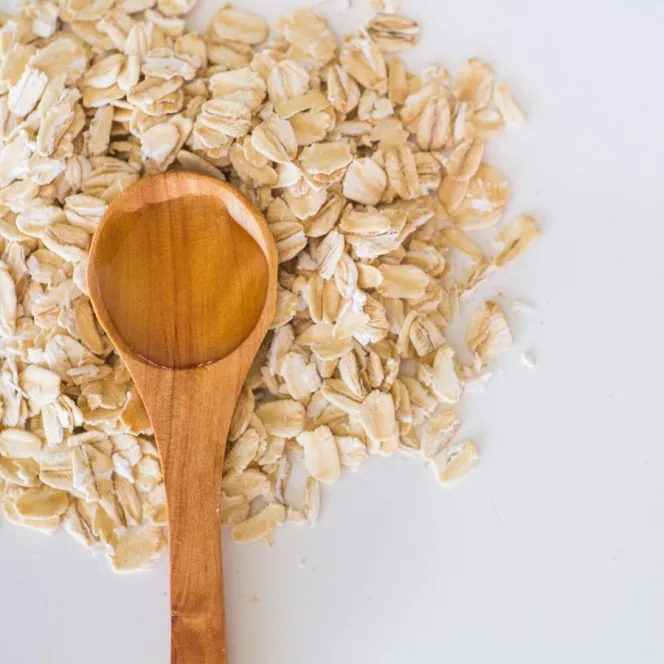
What is common oat extract?
Common oat extract can be found in cosmetics under the INCI name Avena Sativa (Oat) Kernel Extract. It is an active ingredient extracted from oat oil (Avena Sativa Kernel Oil), with the form of a viscous liquid of a deep orange colour. It is a vegan, biodegradable and gluten-free raw material :). It is also hypoallergenic and non-comedogenic, which means it does not clog pores or cause blackheads. It works in multiple ways to renew, protect and strengthen the skin's lipid barrier.
Common oat extract - a unique, active lipid complex
Oat extract mimics the natural lipid composition of human skin (its lipid profile). It combines, among others:
- phytoceramides identical to those present in the skin,
- phospholipids that seal the epidermal barrier,
- sterols with an antioxidant effect,
- soothing avenanthramides found only in oats,
- antioxidants from the tocopherol group (which includes vitamin E),
- fatty acids, including polyunsaturated omega-3 and omega-6 acids.
What are the properties of the phytoceramides contained in common oat extract?
A four-percent content of phytoceramides, many of which are identical to those naturally occurring in human skin (ceramides NS, NP, EOH, AS, AP), replenishes their loss in the stratum corneum caused by age and environmental factors, bringing an immediate improvement in skin condition and restoring the proper barrier function of the epidermis.
What are phospholipids and what are their properties?
Phospholipids are a group of fatty compounds that form an ordered, compact structure in the stratum corneum, which prevents microorganisms and allergens from penetrating into the deeper layers of the skin and regulates the absorption of active substances from cosmetics. They help soothe irritation and inflammation and slow down skin ageing processes by stimulating ceramide production in the epidermis.
Sterols contained in oat extract - how do they affect the skin?
Beta-sitosterol and avenasterol (among others :)) are antioxidants that have a beneficial effect on collagen production in the skin. They act in several ways: stimulating the synthesis of new collagen fibres, preventing the slowdown of fibroblast activity with age, and inhibiting collagenase - the enzyme responsible for the breakdown of the skin's supporting fibres under the influence of UVA radiation.
Avenanthramides and how they work
These are polyphenols unique to oats, with anti-itch and irritation-soothing properties. They effectively reduce erythema (redness) caused by UV radiation - whether applied before or after sun exposure. Their properties are particularly valuable in the care of atopic and allergy-prone skin.
What are free fatty acids?
The natural fatty acids contained in oat extract are precursors of long-chain fatty acids, such as palmitic and stearic acid, whose deficiencies are characteristic of dry skin.
How does common oat extract used in cosmetics affect the skin?
- effectively replenishes and restores lipid levels in the epidermis,
- supports regeneration of the epidermal barrier,
- improves the skin's barrier functions,
- increases its elasticity and resilience,
- significantly raises the skin's hydration level,
- reduces transepidermal water loss,
- boosts production of NMF - the skin's natural moisturising factor,
- improves skin texture, softens and smooths it,
- prevents the loss of skin elasticity and firmness with age,
- reduces skin redness,
- brings relief to dry, flaky, dull skin,
- supports the absorption of other active substances.
You will find it in our Soothing serum for sensitive skin Rice + Ceramides
Products from this article:

 4.7 / 96
4.7 ( 96 RATINGS )
4.7 / 96
4.7 ( 96 RATINGS )

Similar posts


2026-10-12
Hand Cream Ingredients - What Works and What's Best Avoided?
Your expert guide to the INCI list: discover moisturising, regenerating and protective ingredients, and learn which substances are…
Read more
2026-02-20
What is the skin microbiome and why is it worth caring for its balance?
Did you know that millions of microorganisms live on your skin and look after its health and appearance every single day? This is the skin…
Read more
2025-04-24
Glycation and sugars in cosmetics - why it is better to use a sugar serum than to eat sugar?
Do you know this sweet irony? The sugar that ruins your skin from within can be its greatest ally in cosmetics! Discover the surprising…
Read more