





 ACCOUNT



Sugars in skincare: saccharide isomerate, trehalose, inositol and friends - why are they such great moisturizers?
Contents
- How does skin lose water and why is moisturising about more than just drinking water?
- Saccharide isomerate: the sugar that mimics skin
- Trehalose: the sugar that survives drought
- Inositol: the almost-vitamin sugar
- Fructose, glucose, sucrose and maltodextrin: the whole team
- Inulin: a sugar for the microbiome
- Why do sugars work better as a team than alone?
- Who are sugar-based cosmetics best for?
- Hydration is a long-distance effort
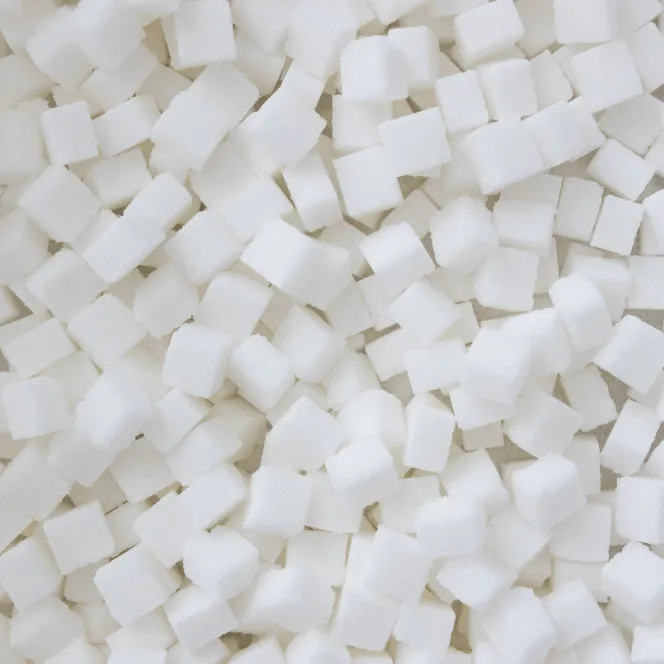
When you hear the word "sugar" in the context of facial skincare, your first reaction might be skeptical. After all, sugar in your diet is your complexion's enemy, right? Yes, but that's a completely different story. Sugars used in cosmetics work on the skin's surface and within the epidermis in a way that has little to do with what happens after you eat a sweet candy bar. In fact, sugar-based substances are among the most effective and at the same time gentlest moisturising ingredients modern cosmetology has to offer.
It's worth taking a closer look, because behind these modest-sounding names lie mechanisms of action that are truly impressive. Want to find out what they are? Read on :)
How does skin lose water and why is moisturising about more than just drinking water?
Before we move on to specific ingredients, it's worth understanding what skin hydration really means. Skin doesn't dry out because we don't drink enough water, although staying hydrated certainly matters. The key issue is TEWL (Transepidermal Water Loss). Water constantly evaporates through the epidermis, and the job of a good cosmetic is to limit this evaporation while keeping water within the epidermis itself.
Skin does this on its own with NMF (Natural Moisturising Factor). It's a blend of amino acids, organic acids, urea, lactates and - yes - sugars, which under normal conditions keep the stratum corneum properly hydrated. The problem is that NMF is easily depleted, especially by harsh external factors such as aggressive detergents, frosty air, central heating or too much sun. That's why replenishing it from the outside is so important - and as it happens, sugar-based ingredients do this exceptionally well :)
Saccharide isomerate: the sugar that mimics skin
Saccharide isomerate (also known as pentavitin) is one of the most technologically advanced moisturising ingredients available in cosmetics today. What makes it unique is its ability to mimic the structure of carbohydrates naturally present in the skin, giving it exceptionally high biocompatibility with the epidermis.
It works through so-called hydrogen-bond hydration: saccharide isomerate attracts and holds water molecules in the epidermis (like a moisture magnet), creating a kind of moisture reservoir that replenishes itself even when ambient humidity is low. This matters, because many ordinary humectants, such as glycerin used in high concentrations, can backfire in very dry environments and draw water out of the deeper layers of the skin instead of moisturising it. Saccharide isomerate doesn't have this effect. It provides long-lasting hydration for up to 72 hours. It reduces the feeling of tightness, soothes redness and regenerates. It restores the proper function of the skin's natural protective barrier.
You'll find it in our Cukier regulating cream with the Pro Mikrobiom complex and in the Ryż + ektoina soothing cream, among others, where it works alongside other barrier-repairing ingredients.
Want to learn more about this wonderfully moisturising ingredient? Check out our article: A cosmetic that effectively moisturises for up to 72 hours. Is it possible?
Trehalose: the sugar that survives drought
Trehalose is a disaccharide with a remarkable story. It is produced by living organisms under conditions of extreme dehydration - including certain desert plants, yeasts and insect larvae, which can survive complete drying out thanks to this very compound. Trehalose replaces water in cellular structures, protecting them from damage and allowing the organism to survive where other substances would break down.
In skincare, trehalose plays a similar role. It stabilises the lipid structures of the epidermal barrier, protects against dehydration even in harsh weather and has antioxidant properties. Importantly, it is a gentle ingredient that is well tolerated by sensitive skin. Trehalose features in both the Ryż + ektoina cream and our entire Cukier line, where it helps the moisturising effect last for hours.
Inositol: the almost-vitamin sugar
Inositol is sometimes classed as a B vitamin, although formally it isn't one. It is a cyclic sugar alcohol that acts as a cellular signal messenger in the body and is part of the phospholipids that build cell membranes. In the skin, it supports the proper functioning of epidermal cells and has soothing properties.
As a cosmetic ingredient, inositol moisturises, improves skin elasticity and strengthens the protective barrier. It is especially valuable combined with other sugars, creating synergistic blends that work more powerfully than each ingredient alone. In our Cukier line, inositol is part of a rich sugar complex that forms the heart of the entire range.
Fructose, glucose, sucrose and maltodextrin: the whole team
At Ministerstwo, we take a holistic approach to sugars in skincare. In the formulas of our Cukier line, you won't find single molecules, but whole sets of different simple and complex sugars that work at various levels of the epidermis and complement each other's action.
- Fructose and glucose are simple sugars that act as humectants and support the energy processes of skin cells.
- Sucrose and maltodextrin form a delicate protective layer on the skin's surface, limiting TEWL.
- Maltol is an ingredient with both moisturising and brightening properties.
- Molasses from Japanese Wasanbon sugar conditions the skin and slows down visible signs of ageing.
The effect is multi-level: short-term hydration, long-lasting moisture retention and gradual strengthening of the skin's natural defence mechanisms.
Inulin: a sugar for the microbiome
Inulin is a polysaccharide known in nutrition as a prebiotic for gut bacteria. In skincare, it plays a similar role for the skin microbiome. And the skin microbiome - the ecosystem of microorganisms living on its surface - is hugely important for the skin's condition, resilience and ability to regenerate.
When the microbiome is disrupted, skin becomes more prone to inflammation, irritation and blemishes. Inulin nourishes beneficial bacteria, helping them multiply and restoring balance. Inulin is one of the key ingredients of the Cukier Pro Mikrobiom regulating cream, which combines its prebiotic action with peptides, radish ferment and extracts that regulate sebum production. The result is not just hydration, but a real change in the condition of skin prone to breakouts and congestion.
If you'd like to learn more about the skin microbiome, be sure to check out our previous article: What is the skin microbiome and why is it worth keeping it in balance?
Why do sugars work better as a team than alone?
One of the most common mistakes in thinking about cosmetics is focusing on a single "magic ingredient". Effective skincare is always the result of synergy. Sugars hydrate best when paired with ingredients that form an occlusive film on the skin's surface, preventing the evaporation of retained water, as well as ingredients that strengthen the skin's lipid barrier.
In the Cukier night cream-mask, the whole sugar complex works together with succinic acid, which regulates sebum production and minimises the appearance of pores, gluconolactone, which hydrates and gently exfoliates, niacinamide, which evens out skin tone, and ceramide NS, which rebuilds the lipid barrier. The mask has a pH of around 3.5-4, close to the natural pH of healthy skin, making it both effective and kind to the epidermis.
In the Ryż + ektoina cream, sugar-based moisturising ingredients work alongside ectoine, bioavailable calcium ions and a ceramide complex. In instrumental tests, this combination reduces transepidermal water loss by over 21% and skin redness by over 14% - a result rarely seen in creams without pharmacological substances.
Who are sugar-based cosmetics best for?
Sugar ingredients are remarkably versatile. They hydrate without feeling heavy or greasy, making them suitable for dry, combination and oily skin alike. They are gentle, so they're safe for sensitive and reactive skin. They are non-comedogenic, so they won't clog pores.
For dry and mature skin that needs intense nourishment and hydration at the same time, we recommend the Róża-Malina cream, where a moisturising complex based on isomalt and Dead Sea salt, among others, works with rich oils, apple stem cells and coenzyme Q10. It's a richer formula, created for skin that needs true, deep nourishment.
Combination and oily skin struggling with imperfections will find their match in the Cukier cream and mask. Sensitive, reactive skin in need of gentle barrier repair should reach for the Ryż line, where sugar-based moisturisers work alongside hypoallergenic, soothing ingredients that support skin regeneration.
Hydration is a long-distance effort
Finally, it's worth stating something obvious yet often forgotten. A single application of even the best cream won't permanently restore hydration to skin dehydrated by years of poor care, stress or weather conditions. Sugars work best when used regularly, as part of a skincare routine that genuinely transforms the skin over time. The instrumental tests on our products lasted four weeks, and only then did the full results appear. Skin needs time to rebuild its moisture reserves, strengthen its barrier and learn to maintain balance.
Skincare isn't a sprint, it's a marathon. But it's well worth running, because the finish line looks really good!
Products from this article:
- New

 4.4 / 5
4.4 ( 5 RATINGS )

- New

- BESTSELLER


Similar posts

2026-10-16
Hydrosol - what is it and how to use it in your daily facial care routine?
What is a hydrosol, how is it different from a toner, and why is toning a step you shouldn't skip? We explain step by step how to use a…
Read more
2026-10-12
Hand Cream Ingredients - What Works and What's Best Avoided?
Your expert guide to the INCI list: discover moisturising, regenerating and protective ingredients, and learn which substances are…
Read more
2026-02-20
What is the skin microbiome and why is it worth caring for its balance?
Did you know that millions of microorganisms live on your skin and look after its health and appearance every single day? This is the skin…
Read more