





 ACCOUNT



5 myths about micellar water - discover the truth!
Contents
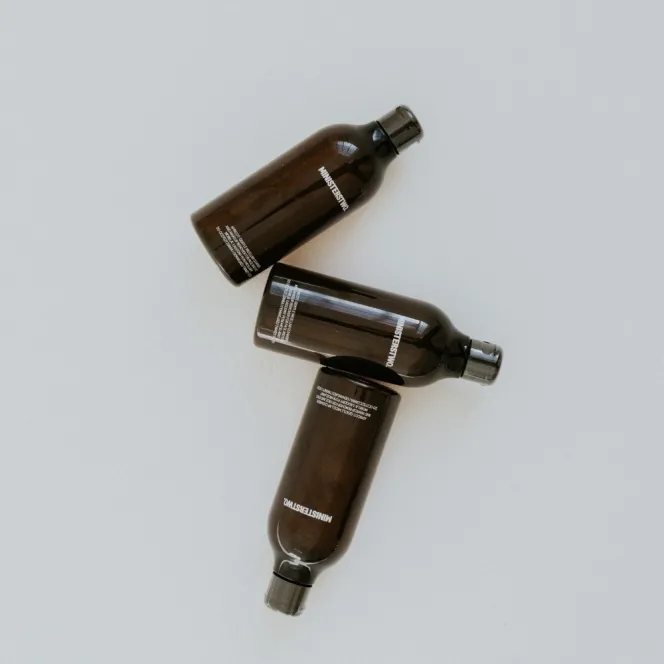
Is micellar water really a miracle elixir that will replace all your other make-up removal products? Many people believe so, but the reality may be more complicated. In our article we will bust five popular myths about micellar water, from the most common mistakes in using it, through its effect on different skin types, all the way to the controversies about rinsing it off and its safety around the eyes. You will also learn how to choose the best micellar water for yourself - to avoid irritation and maximise the benefits.
Discover the truth about this popular cosmetic product and gain the confidence that you are using it in the most effective and safest way!
The most common mistakes when using micellar water
Many of us make mistakes when using micellar water, which can lead to skin problems. The most common mistake is cleansing the skin insufficiently. Micellar water, though effective, does not always remove all impurities. We recommend rinsing your face with water after using it, or using an additional cleansing product (a foam, gel or hydrophilic oil, for instance). Many people notice an improvement in the condition of their skin after introducing double cleansing into their care routine.
Another common mistake is rubbing the skin too vigorously with a cotton pad soaked in too much micellar water. Overusing micellar water can lead to drying out the skin - in fact a small amount of the liquid on a cotton pad is enough to cleanse the face effectively. This is not only a gentler solution for our skin, but also a more economical one! Vigorous rubbing, on the other hand, will not speed up our daily make-up removal; all it can do is expose us to irritation, especially in the sensitive eye area, and damage the skin's protective barrier.
So what is the best way to remove make-up effectively with micellar water? Here is our tip! Gently press the cotton pad against the skin and let the liquid work for a few seconds, then gently wipe the face. Remember to remove eyelash and eyebrow make-up in the direction the hairs grow and - we repeat - do not rub! Press a pad soaked in the liquid against a closed eyelid and wait a moment, then gently slide the pad away. This will effectively (and gently!) remove make-up and impurities.
After using this technique, the difference in the look of our skin will be clearly noticeable - bye bye, red and irritated skin!
Can micellar water replace other make-up removal products?
The truth is that micellar water is a great solution for daily cleansing of the skin, but it is only the first stage of cleansing - on its own it will not replace the whole process. This is because micelles "collect" impurities from the surface of the skin but hold them inside their molecules. A cotton pad alone is not able to pick up all those impurities, which is why rinsing the face, even with water alone, is so important. In this way we get rid of the remaining impurities from the skin and avoid exposing it to unwanted blemishes. Thanks to thorough, two-stage cleansing, you will remove impurities and prepare the skin for the next steps of your care routine.
Remember always to adapt your care routine to the needs of your skin and to avoid the most common mistakes, so that you can enjoy healthy and radiant skin.
The need to rinse off micellar water - true or false?
Does micellar water need rinsing off? Micellar water is a cosmetic that works on the principle of micelles - small molecules that attract impurities from make-up, cosmetic residues, sebum, sweat, as well as dust, airborne pollutants and dead skin cells, effectively cleansing the skin. But careful - micellar water will not replace water! It should be treated like any other face cleansing product (gel, oil, milk, emulsion) and always rinsed off with water, so as to cleanse the face thoroughly of the remaining dirt and any residual micelles.
The next step, depending on your needs and the current state of your skin (for example the need to remove heavier make-up), may be a second stage of cleansing - with a foam, gel or hydrophilic face wash oil, for instance.
What is worth paying attention to when choosing a micellar water for your skin type?
- Dry skin: Choose products with moisturising ingredients such as glycerine or hyaluronic acid.
- Oily skin: Look for liquids with mattifying ingredients, for example zinc or salicylic acid.
- Combination skin: Balancing products that will neither dry out nor grease up the skin will be ideal.
- Sensitive skin: Choose gentle formulas based on mild substances, without alcohol or fragrances.
Is micellar water safe for the eyes?
Most micellar waters, based on gentle formulas, will be mild around the eyes and will not cause irritation - so before buying it is worth taking a close look at the ingredient list to avoid disappointment. In micellar waters, look for substances such as: plant extracts, glycerine, betaine, hyaluronic acid, panthenol. With sensitive skin it is important to avoid unnecessary substances that may cause irritation and redness. So look for micellar waters without alcohol and fragrance substances in the composition - what should catch your attention instead are products with a confirmed hypoallergenic action.
The correct use of micellar waters, mentioned earlier, matters too. Remember to wipe the skin gently with a dampened cotton pad, without intensive and aggressive rubbing (especially in the eye area). A well-chosen product and its proper use will let you enjoy healthy and radiant skin every day.
How to choose the best micellar water for you?
With the wide range currently available in shops, choosing the right micellar water can be a challenge, especially when it comes to the delicate eye area. Safety of use in these places is crucial. Pay attention to ingredients that may be potentially irritating. Avoid products containing alcohol, parabens and artificial dyes, which can cause irritation and allergies.
To use micellar water safely for eye make-up removal, soak a cotton pad with the product and gently press it against a closed eyelid. Let the liquid dissolve the make-up and then gently wipe. Avoid rubbing hard, which can irritate the delicate skin around the eyes. When choosing a micellar water, look for products labelled hypoallergenic and dermatologically tested, in order to minimise the risk of irritation.
To sum up, the key to choosing the best micellar water is to pay attention to its composition and the way it is applied. This way you can enjoy effective and safe make-up removal that will not harm your skin.
Criteria for choosing a micellar water
How can you make choosing the right micellar water easier, especially with so many products available on the market? Be guided by your skin's current needs, which may change over the years or even according to the current season.
When choosing, it is worth paying attention to a few key criteria:
- Composition: Always check the ingredients to make sure the product does not contain substances that may irritate your skin. Avoid denatured alcohol, parabens and artificial dyes. Look instead for natural ingredients, plant extracts and moisturising substances such as: hyaluronic acid, niacinamide, plant glycerine, panthenol.
- Skin type: Choose a micellar water suited to your skin type. For example, if you have oily skin, look for products with niacinamide and salicylic acid, and for dry skin choose those with added glycerine or hyaluronic acid.
- User reviews: Read other users' reviews to find out how a given product performed in practice. Reviews can provide valuable tips and help you avoid poor purchases.
This is a good moment to take a closer look at our micellar waters:
Product Active ingredients Skin type Action Hibiscus micellar water plant glycerine, hibiscus fruit extract, hyaluronic acid, Yerba Santa ferment extract Suitable for every skin type Cleanses effectively without irritating the skin; leaves the skin smooth and soft to the touch Apricot micellar water plant glycerine, apricot fruit extract, hyaluronic acid, radish ferment, betaine Suitable for every skin type Cleanses effectively; is gentle around the eyes; improves the overall look of the skin; reduces skin redness
Finally, it is worth remembering a few rules that will help you avoid irritation when testing new products:
- Patch test on a small area of skin: Before you use a new micellar water on your whole face, test it on a small area of skin to check whether it causes an allergic reaction.
- Avoid mixing products: Using several new products at once can make it harder to identify the source of any irritation.
- Watch your skin's reactions: If you notice any redness, itching or burning, stop using the product immediately and consult a dermatologist.
Happy (and safe) testing!
Products from this article:

 5.0 / 40
5.0 ( 40 RATINGS )
5.0 / 40
5.0 ( 40 RATINGS )


Similar posts

2026-05-13
Hand cream - how to choose the best one for your skin? A complete guide
Our hands work for us non-stop - washing, detergents, air conditioning, frost, sun. And yet hand care is still often treated as an…
Read more
2026-05-13
Hand care: how to look after your skin and nails?
Hands give away your age faster than your face. Frequent washing, detergents, frost in winter and dry indoor air - all of it mercilessly…
Read more
2026-02-20
A daily care routine with micellar waters from Ministerstwo.
Micellar water is a must-have in skincare - but do you know how it really works and why it is worth reaching for every day? Discover the…
Read more