





 ACCOUNT



Which hydrosol for which skin type? A guide to Ministerstwo hydrosols
Contents

If you already know what a hydrosol is, how to use it and why it's worth it, one not-so-obvious question remains: which one should you choose? Our range includes hydrosols made from rose, geranium, lavender, chamomile, witch hazel, laurel, helichrysum, rosemary, mint and linden. Each one smells different, and each one does something slightly different for your skin.
This post is a simple guide: find your skin type, then read which hydrosol suits it and why. No guesswork, no encyclopedic list of INCI ingredients. Just what matters - short and to the point :)
If you're not sure yet how to use a hydrosol in your daily routine, before you start - take a look at our basic guide: Hydrosol - what is it and how to use it?
Oily and combination skin
Oily skin is constantly looking for balance and usually doesn't find it - at least not without some outside help. Excess sebum, enlarged pores, shine during the day, a tendency towards blackheads. Care for this skin type needs to be balancing but not harsh - because dried-out oily skin produces even more sebum. It's the skin's natural defence mechanism.
A hydrosol for oily skin should regulate sebum production, gently cleanse, tighten pores and have antibacterial properties - all without drying or irritating the skin.
Rosemary hydrosol is a perfect match for oily and combination skin. It's antibacterial, regulates sebum and improves skin hydration - the latter confirmed by independent instrumental tests: after four weeks of regular use, hydration increases by almost 13%. Good news for anyone worried that "anything moisturising" will only make things worse - rosemary does it wisely, without disrupting the skin's hydrolipid balance.
Witch hazel hydrosol is a classic for skin that is both oily and prone to visible capillaries - a rare combination. Witch hazel is astringent and toning, visibly tightens enlarged pores, cleanses and supports epidermal regeneration. It also soothes redness, which makes it ideal for skin where oiliness goes hand in hand with reactivity.
Laurel hydrosol has antibacterial properties, which makes it ideal for oily, combination and problem skin prone to breakouts. It evens out skin tone, soothes redness and prevents shine. On top of that, it hydrates beautifully (+26%), softens, tones and refreshes.
Acne-prone and problem skin
Acne-prone skin plays by its own rules. It needs ingredients that target breakout-causing bacteria, calm inflammation and help even out skin tone once blemishes fade. At the same time, it's often oversensitive to harsh substances - so a natural hydrosol hits exactly the right spot.
Lavender hydrosol is one of the most versatile hydrosols in our range, but for acne-prone skin it plays a special role. Lavender is antibacterial, soothes irritation and itching, regulates sebum and supports epidermal regeneration. Great both in the morning (a refresh after the night) and in the evening (prep for a serum or oil).
Helichrysum hydrosol is a slightly less obvious choice, but it works exceptionally well. Helichrysum is known for its regenerating and soothing properties - it reduces blemishes, firms and diminishes redness. We especially recommend it for acne-prone skin in the healing phase - when breakouts fade but leave marks behind that need some attention.
For problem skin, it's also worth considering peppermint hydrosol, which beautifully cleanses and refreshes the skin, reduces oiliness and shine, is antibacterial and hydrates.
Sensitive and reactive skin
Sensitive skin reacts to everything: a change in the weather, a new cosmetic, stress, water that's too hot. It turns red, stings, feels tight or itches almost without warning. It needs ingredients that soothe, calm and strengthen the skin's protective barrier - no experimenting with harsh substances.
Roman chamomile hydrosol is the safest choice for any sensitive skin. Chamomile works gently, soothes irritation and redness, boosts hydration, smooths and nourishes. We especially recommend it to those just starting their hydrosol journey who want to begin with something proven and calming.
Linden hydrosol is ideal for sensitive, couperose and atopy-prone skin. Linden brings the skin a feeling of relief and relaxation, soothes redness and itching, calms and hydrates. If your skin often feels "tired" and simply needs some peace - linden will be perfect for it.
For very reactive and atopic skin, both options can be used alternately - chamomile in the morning, linden in the evening - or chosen depending on the current condition of your skin.
Couperose skin
Couperose skin is a chapter of its own. Dilated capillaries, spider veins, persistent or intermittent redness - this is skin that needs gentle care and, at the same time, ingredients that strengthen blood vessel walls. It doesn't like extreme temperatures, alcohol in cosmetics or harsh exfoliants.
Rose hydrosol - made from Damask rose petals - is the first and most frequently recommended choice for couperose skin. Rose floral water soothes redness, evens out skin tone, gently firms and hydrates. Its famous calming properties are especially valuable here. It works subtly, and the results show with regular use.
Witch hazel hydrosol, which we already mentioned for oily skin, works just as well here - witch hazel tightens and strengthens capillaries while soothing redness. It's one of the few hydrosols that works well both for oily skin with visible capillaries and for combination skin prone to reactivity.
Dry skin
Dry skin feels tight, flakes, is rough to the touch and absorbs any cream within minutes, almost without a trace. Its lipid barrier is weakened, which means it loses water through the epidermis faster. It needs ingredients that lock in that water and support regeneration.
Geranium hydrosol, with its intense floral-herbal scent, brings hydration, comfort and support in regenerating dry skin. It wonderfully relaxes, calms and soothes irritation and redness (including after hair removal or sunbathing) - leaving skin radiant, smooth and soft to the touch.
Linden hydrosol is an equally good choice - linden hydrates, smooths and leaves a feeling of softness that is simply a blessing for dry skin.
For dry skin, a hydrosol works exceptionally well as a base for facial oil - applied to slightly damp skin, the oil absorbs deeper and works more effectively. It's one of those techniques that makes a real difference.
Mature skin
With age, skin produces less sebum and less collagen, and it regenerates more slowly. It looks for products that support its natural repair processes, hydrate more deeply and help maintain elasticity.
Damask rose hydrosol is the undisputed number one for mature skin. Rose floral water supports epidermal renewal, nourishes, hydrates, smooths wrinkles and leaves skin feeling firmer. It has a delicate, beautiful scent of rose petals and feels like a ritual - not just a cosmetic.
Immortelle hydrosol is the second strong player for mature skin. Immortelle has been associated with regeneration and rejuvenation for centuries. It firms, smooths and reduces signs of fatigue. If you're looking for a hydrosol that does more than just restore pH - immortelle is the one.
A universal hydrosol - for every skin type
If your skin is normal, with no clear tendencies in any direction - you have the widest choice and can confidently follow your nose. Literally. All our hydrosols have similar hydrating properties, so if you're only looking for hydration without a specific targeted action, you can simply pick the one whose scent you like best.
Rose hydrosol has a beautiful, true scent of rose petals. It hydrates, soothes, evens out skin tone, nourishes and regenerates. It tones and refreshes tired skin perfectly, making it an ideal replacement for tap water in your daily routine.
Bay laurel hydrosol is the choice for those who love more herbal scents and want a toner that refreshes, smooths and soothes - without specialising in one skin type. Laurel works wherever good, essential care is all that's needed.
A question we hear often: can you mix hydrosols?
Yes. If you have several hydrosols and want to use them alternately - go for it. You can use lavender in the morning and rose in the evening, or test one for a week and then move on to the next. Hydrosols don't interact negatively with each other, and there's no risk of "overdosing" on natural active substances at the concentration they occur in the distillate.
The only thing we don't recommend is mixing two hydrosols in one bottle on your own - each one is preserved and balanced as a standalone product, and tampering with its formula may shorten its shelf life.
Summary: a quick hydrosol guide
Instead of a table - a quick cheat sheet. For whenever you need a speedy reminder :)
- For oily and combination skin reach for rosemary, witch hazel or bay laurel.
- For acne and blemish-prone skin go for lavender, mint or immortelle.
- For sensitive and reactive skin chamomile and linden are your safe havens.
- For couperose skin choose rose or witch hazel.
- For dry skin reach for geranium or linden, always as a base for a facial oil.
- For mature skin rose and immortelle work beautifully.
And if you're not sure where to start - begin with a classic rose hydrosol: it's so versatile that it suits practically every skin type and makes a perfect first step into the world of hydrosols.
Discover all the natural facial hydrosols at Ministerstwo and pick your favourite!
Products from this article:

 5.0 / 11
5.0 ( 11 RATINGS )


- BESTSELLER


Similar posts

2026-10-19
Sugars in skincare: saccharide isomerate, trehalose, inositol and friends - why are they such great moisturizers?
Sugar in your diet may be your complexion's enemy, but in cosmetics sugars are among the most effective and gentlest moisturizing…
Read more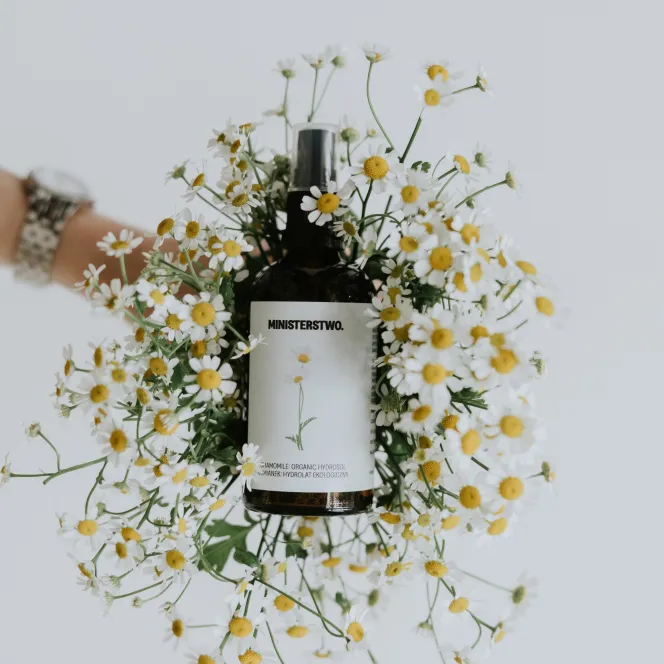
2026-10-16
Hydrosol - what is it and how to use it in your daily facial care routine?
What is a hydrosol, how is it different from a toner, and why is toning a step you shouldn't skip? We explain step by step how to use a…
Read more
2026-10-12
Hand Cream Ingredients - What Works and What's Best Avoided?
Your expert guide to the INCI list: discover moisturising, regenerating and protective ingredients, and learn which substances are…
Read more